
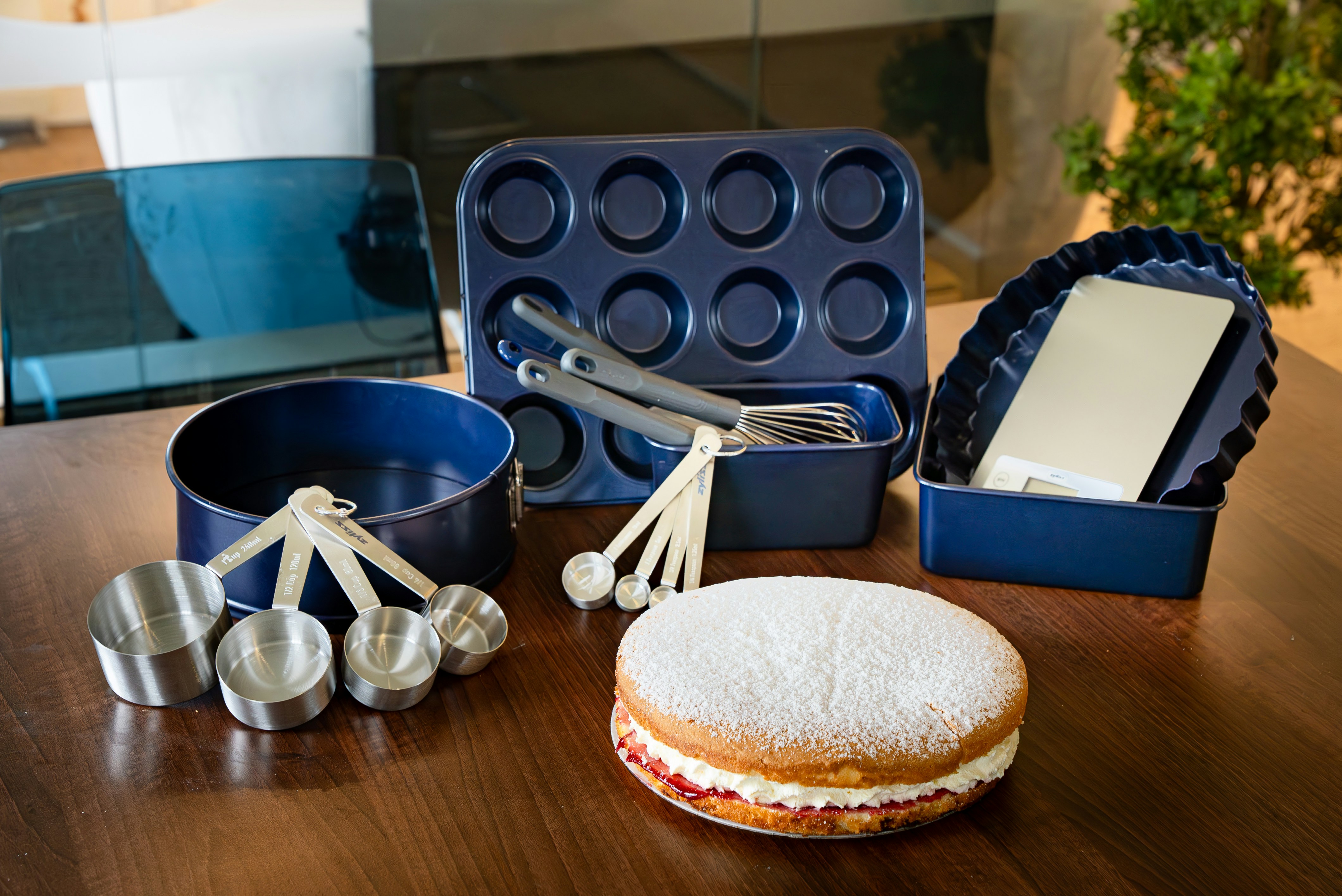
The Ultimate Guide to Bakeware: Everything You Need to Know Before Buying Bakeware for Your Kitchen
Baking is one of the most rewarding ways to prepare food, whether you’re making homemade cookies for your family, baking a birthday cake, roasting vegetables, or preparing a hearty lasagna for dinner. While recipes and techniques are important, the quality of your bakeware plays an equally significant role in achieving delicious, consistent results.
High-quality bakeware distributes heat evenly, reduces sticking, improves browning, and helps ensure that your baked goods cook properly every time. Whether you’re a beginner who bakes occasionally or an experienced home chef who spends hours in the kitchen each week, investing in reliable bakeware can make cooking more enjoyable and far less frustrating.
The right baking dishes, cake pans, cookie sheets, and loaf pan not only improve the final outcome of your recipes but also simplify cleanup and last for years with proper care. Understanding the different types of bakeware available and knowing which pieces deserve a place in your kitchen is the first step toward becoming a more confident and successful baker.
Why Investing in Quality Bakeware Is Worth It
Many people underestimate how much these products affects the outcome of their recipes. Thin, low-quality pans often create uneven hot spots that can leave one side of a cake overcooked while the other remains underbaked.
Cheap baking dishes may warp under high temperatures or lose their non-stick coating after only a few uses, resulting in disappointing meals and difficult cleanup. Premium bakeware, on the other hand, is engineered to withstand repeated exposure to high oven temperatures while maintaining excellent heat distribution.
This means cookies bake evenly, cakes rise uniformly, brownies develop perfectly chewy edges, and casseroles cook consistently from the center to the corners. Quality bakeware also tends to feature stronger construction, reinforced rims, scratch-resistant surfaces, and easy-to-grip handles that make transferring dishes in and out of the oven much safer.
Although high-quality bakeware may cost more initially, it often proves to be a better long-term investment because it lasts significantly longer, performs better, and reduces the need for frequent replacements.
Understanding the Different Types of Bakeware
A well-equipped kitchen contains a variety of bakeware, with each piece serving a unique purpose. Glass baking dishes are among the most versatile options because they can be used for casseroles, baked pasta, lasagna, brownies, cobblers, and roasted vegetables while also serving as attractive dishes for the dining table.
Metal baking pans, typically made from aluminum or carbon steel, are excellent for cookies, cakes, pastries, and sheet pan meals because they heat quickly and promote even browning. Loaf pans are ideal for baking bread, banana bread, meatloaf, and pound cakes, while muffin pans make it easy to prepare cupcakes, muffins, mini quiches, and breakfast egg bites.
Round and square cake pans are essential for birthdays, celebrations, and layered desserts, and pie dishes are perfect for both sweet fruit pies and savory quiches. Having a combination of these essential pieces allows you to tackle nearly any baking recipe with confidence while ensuring your food cooks as intended.
Why Glass Bakeware Has Become a Favorite Among Home Bakers
Glass bakeware (#ad) continues to gain popularity because of its versatility, durability, and elegant appearance. Unlike some metal pans that may react with acidic ingredients such as tomatoes or citrus, glass remains chemically stable and preserves the flavor of your food.
One of its biggest advantages is its ability to retain heat exceptionally well, allowing baked dishes to stay warm longer after being removed from the oven.
This makes glass baking dishes especially useful when serving meals at family gatherings, holiday dinners, or potlucks where food may sit on the table for an extended period. Many modern glass baking dishes are also designed to move from the freezer to the oven, making them perfect for meal prepping and storing leftovers.
A quality 8-piece deep glass baking dish set with plastic lids offers incredible convenience because it allows you to prepare meals in advance, refrigerate or freeze them, bake them when needed, and store any leftovers without transferring food into separate containers.
This versatility saves time, reduces cleanup, and minimizes the number of dishes used throughout the cooking process.
Choosing the Best Bakeware Material for Your Cooking Style
Selecting the right product material depends on the types of recipes you prepare most often. Aluminum bakeware is prized for its outstanding heat conductivity, making it ideal for cookies, cakes, pastries, and sheet pan dinners that require even baking.
Carbon steel offers exceptional durability and professional-level performance, making it a favorite among serious home bakers who frequently use their ovens. Glass excels in recipes that benefit from slow, even heating, such as casseroles, baked pasta, cobblers, brownies, and lasagna.
Silicone provides excellent flexibility and naturally non-stick properties, making it especially useful for muffins, cupcakes, and specialty molds. Ceramic, meanwhile, combines beautiful presentation with consistent heat retention, making it perfect for serving baked dishes directly from the oven to the dining table.
Understanding the strengths of each material allows you to build a bakeware collection that matches your cooking habits while delivering consistently impressive results.
Features to Consider Before Purchasing Bakeware
When shopping for bakeware, it’s important to evaluate more than just appearance. High-quality construction should always be your top priority because thicker materials resist warping and distribute heat more evenly than thinner alternatives.
Non-stick coatings make food release easier and simplify cleaning, although they should be used with silicone or wooden utensils to prevent scratching. Reinforced edges help baking sheets maintain their shape during high-temperature cooking, while wide handles provide a secure grip when wearing oven mitts.
If you frequently prepare meals in advance, look for things that includes BPA-free plastic lids for convenient storage. Oven-safe, freezer-safe, microwave-safe, and dishwasher-safe designs add even more flexibility to your kitchen routine, allowing a single dish to perform multiple functions.
Investing in these products with these practical features ensures you’ll enjoy reliable performance for years while making everyday cooking far more convenient.
Building a Complete Bakeware Collection for Your Kitchen
Creating a versatile collection doesn’t require purchasing dozens of different pans. Instead, focus on acquiring a few high-quality essentials that can handle a wide range of recipes.
A deep glass baking dish set with lids is perfect for casseroles, baked pasta, meal prep, and leftovers. A sturdy cookie sheet handles everything from chocolate chip cookies to roasted vegetables.
Round cake pans allow you to bake celebration cakes and cheesecakes, while a square baking pan is ideal for brownies and bars. A loaf pan covers homemade bread, pound cakes, and meatloaf, and a muffin pan expands your options to cupcakes, muffins, mini quiches, and breakfast egg bites.
Together, these versatile pieces provide everything needed to prepare countless recipes without overcrowding your kitchen cabinets with unnecessary specialty pans.
View Paris Hilton bakeware collection (#ad) products.
Caring for Your Bakeware to Maximize Its Lifespan
Proper maintenance is essential for preserving the performance and appearance. Glass dishes should always be protected from sudden temperature changes, as transferring them directly from the freezer into a hot oven can increase the risk of thermal shock.
Non-stick products should be cleaned with soft sponges rather than abrasive scrubbers to protect the coating, and metal utensils should be avoided whenever possible. Allow these products to cool naturally before washing, as rapid cooling can cause warping in some materials.
Storing pans carefully with protective liners or towels between stacked pieces helps prevent scratches and extends their lifespan. Following these simple care practices ensures that your bakeware continues to deliver reliable performance and attractive presentation for many years.
Final Thoughts
Quality bakeware is one of the smartest investments you can make for your kitchen because it directly influences the taste, texture, and appearance of every recipe you prepare.
Whether you’re baking soft cookies, fluffy cakes, homemade bread, cheesy lasagna, roasted vegetables, or comforting casseroles, the right bakeware helps ensure consistent results while making cooking and cleanup significantly easier.
A versatile 8-piece deep glass baking dish set with plastic lids is particularly valuable because it combines baking, serving, storing, and reheating into one convenient solution, reducing both kitchen clutter and preparation time.
By choosing durable materials, understanding the strengths of different bakeware types, and caring for your pans properly, you’ll create a kitchen equipped for everything from everyday family dinners to holiday celebrations.
With reliable bakeware at your fingertips, every baking project becomes easier, more enjoyable, and far more successful.
Read USDA – Safe Food Handling tips.
Expert Baking Tips for Better Results Every Time
Even the best bakeware performs better when paired with good baking practices. These simple tips can help improve the texture, appearance, and consistency of your baked dishes.
1. Always Preheat Your Oven
A properly preheated oven ensures your food starts cooking immediately at the correct temperature. This is especially important for cakes, cookies, muffins, and breads, which rely on accurate heat for proper rising.
2. Choose the Right Pan Size
Using the correct bakeware size is just as important as following the recipe. A pan that’s too small may overflow, while one that’s too large can cause food to cook too quickly or dry out.
3. Avoid Overfilling Baking Dishes
Leave enough space for batters and casseroles to expand during baking. Overfilled dishes can spill over, creating unnecessary messes and uneven cooking.
4. Grease or Line Your Bakeware
Even if you’re using non-stick bakeware, lightly greasing the surface or lining it with parchment paper makes removing baked goods much easier and helps preserve the non-stick coating.
5. Rotate Baking Pans Halfway Through
Most home ovens have hot spots. Rotating your baking pan halfway through cooking promotes even browning and prevents one side from overcooking.
6. Allow Food to Cool Before Storing
Glass bakeware should cool naturally before placing it in the refrigerator. Sudden temperature changes can damage the glass and reduce its lifespan.
7. Use the Right Utensils
Silicone, nylon, or wooden utensils are recommended for non-stick bakeware to prevent scratches and extend the life of the coating.
8. Don’t Cut Food Inside Non-Stick Pans
Using knives directly on non-stick surfaces can damage the coating. Transfer baked goods to a cutting board before slicing whenever possible.
9. Clean Bakeware Properly
Although many baking dishes are dishwasher-safe, hand washing with a soft sponge helps maintain their appearance and performance over time.
10. Invest in Versatile Bakeware
An 8-piece deep glass baking dish set with lids offers excellent value because it can be used for baking, meal prep, storing leftovers, freezing, reheating, and serving—all with the same set.
Common Bakeware Mistakes to Avoid
Many baking problems aren’t caused by recipes—they’re caused by incorrect bakeware usage. Avoid these common mistakes to achieve better results every time.
- Using the wrong pan size for a recipe.
- Baking with warped or damaged pans.
- Putting cold glass bakeware directly into a hot oven.
- Using metal utensils on non-stick surfaces.
- Filling baking dishes too close to the rim.
- Skipping oven preheating.
- Washing hot bakeware immediately after removing it from the oven.
- Stacking bakeware without protection, which can lead to scratches.
- Choosing low-quality bakeware that heats unevenly.
- Ignoring manufacturer care instructions.
Linking to trusted, authoritative websites can strengthen your content and provide additional value for readers. Consider adding these external links:
Frequently Asked Questions (FAQs)
1. What is the best material for bakeware?
The best material depends on what you’re baking. Glass bakeware is excellent for casseroles, lasagna, and brownies because it retains heat well, while aluminum and carbon steel are ideal for cookies, cakes, and pastries due to their fast, even heat distribution.
2. Can glass bakeware go from the freezer to the oven?
Many modern glass baking dishes are designed for freezer-to-oven use, but you should always follow the manufacturer’s instructions. Avoid sudden temperature changes, as they can cause thermal shock and potentially crack the glass.
3. How do I clean bakeware without damaging it?
Allow bakeware to cool before washing, use a soft sponge with mild dish soap, and avoid abrasive scrubbers. For non-stick bakeware, use silicone, nylon, or wooden utensils to protect the coating and extend its lifespan.
4. Is non-stick bakeware better than traditional bakeware?
Non-stick bakeware makes it easier to release baked goods and simplifies cleanup, making it a great choice for everyday baking. Traditional aluminum or glass bakeware can also produce excellent results, depending on the recipe and your baking preferences.
5. What bakeware should every beginner own?
A beginner’s bakeware collection should include a glass baking dish with a lid, a cookie sheet, a loaf pan, a muffin pan, round cake pans, and a square baking pan. These essentials are versatile enough to handle most everyday baking and cooking tasks.
Also read these blogs.
- How to Use Air Fryer for Perfect, Crispy Meals Every Time.
- 10 Must-Have Products to Enjoy the FIFA Football World Cup at Home.
- Espresso requires specialized equipment and high pressure. Our Complete Espresso Machine Guide explains how these machines work and what to look for when purchasing one.
- Front Porch Halloween Decor: The Best Ideas You’ll Love.